How to Choose the Right Digital Marketing Services for Your Business
When I started my first small business, I thought a decent website and a Facebook page would be enough. Within six months, I learned the hard way that having an online presence and actually driving results are two very different things. The landscape of online promotion has grown complex, and most business owners I talk to feel overwhelmed by the options. That is where professional digital marketing services come in, not as a magic wand, but as a structured approach to reach real people who need what you offer.
Over the past decade, I have worked with dozens of companies trying to figure out which channels matter most for their specific goals. The truth is, no single tactic works for everyone. A local bakery needs different strategies than a B2B software firm. The key is understanding the core components of modern digital marketing and how they fit together. Let me walk through what I have learned about selecting and using these services effectively.
Why a Cohesive Strategy Matters More Than a Laundry List
Many business owners come to me asking for SEO, PPC, social media marketing, and email marketing all at once. They assume more activity equals more customers. But without a clear plan, these efforts often pull in different directions. I have seen companies spend heavily on Google Ads while their website loaded slowly and their meta tags were a mess. The ads drove traffic, but visitors left immediately because the user experience was poor.
Good digital marketing services start with an audit of where you are now. A reputable provider will look at your current analytics, your competition, and your sales funnel before recommending anything. If someone promises quick fixes without asking about your business model, that is a red flag. The best results come from a strategy that connects your website design, content marketing, and conversion rate optimization into one continuous flow.
Understanding the Core Channels
Search Engine Optimization and Paid Search
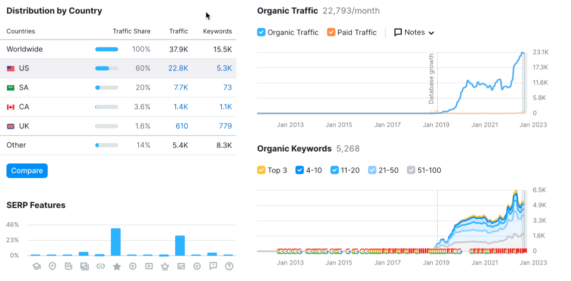
SEO remains the foundation for most businesses. When someone searches for a service you offer, you want to appear on the first page. This involves keyword research, improving meta tags, building quality backlinks, and creating content that answers real questions. SEO takes time, usually three to six months before you see meaningful movement. But the payoff is sustainable traffic that does not stop when you pause ad spend.
PPC, especially through Google Ads, gives you immediate visibility. You can target specific keywords and demographics, and you only pay when someone clicks. I have found that combining SEO with PPC works best. The organic rankings build long-term authority, while paid ads capture traffic during seasonal peaks or product launches. The trick is to monitor your click-through rate and adjust bids based on what the data tells you.
Social Media Marketing and Paid Social
Not every business needs to be on every platform. I have seen local shops waste time on LinkedIn when their customers hang out on Instagram. Conversely, B2B companies often overlook LinkedIn, which can be a goldmine for networking and lead generation. Facebook Ads still offer powerful targeting for local businesses, especially when paired with a well-designed landing page and a clear call to action.
The mistake many people make is treating social media as a broadcast channel. It works better when you engage genuinely, share useful content, and run targeted ad campaigns. A/B testing your ad images and copy can dramatically improve your cost per conversion. Heatmap tools can show you exactly where people look on your landing page, helping you refine the layout and the user experience.
Content Marketing and Email Marketing
Content marketing is the engine that feeds your SEO and social channels. Writing blog posts, creating videos, or designing infographics that solve your audience's problems builds trust and authority. I have seen a single well-researched article generate backlinks for years. But content without promotion is like a great book nobody knows about. That is where email marketing comes in.
Email remains one of the highest-return channels if done right. Building a list of subscribers who opted in gives you a direct line to people who already care. Weekly newsletters, product updates, or educational series keep your brand top of mind. The key is to segment your list and test subject lines. A strong call to action in an email can drive traffic to a landing page where conversion rate optimization takes over.
Measuring What Matters
One of the most valuable parts of professional digital marketing services is the analytics layer. Google Analytics can tell you where your traffic comes from, which pages keep visitors engaged, and where they drop off. Heatmaps and session recordings reveal how people actually interact with your site. I have fixed checkout flows that were losing 40% of customers simply by watching replays of their mouse movements.
Conversion rate optimization is not about guessing. It is about running A/B tests on headlines, button colors, form fields, and page layouts. Small changes can lift your conversion rate by double digits. But you need to track everything. Without data, you are just decorating. With data, you are engineering a system that produces predictable results.
Putting It All Together
When I help businesses choose digital marketing services, I always start with one question: what is the single most important action you want a visitor to take on your site? That might be filling out a contact form, making a purchase, or signing up for a newsletter. Every channel and tactic should support that primary goal. If your SEO brings people to a page that has no clear call to action, you are wasting the traffic. If your Facebook Ads send people to a slow mobile page, you are burning budget.
A good provider will also educate you. They should explain why keyword research matters, how meta tags affect click-through rates, and why backlinks from reputable sites boost your domain authority. You do not need to become an expert, but you should understand enough to ask smart questions. I have seen too many business owners sign up for services they never reviewed, only to realize six months later that their money was spent on the wrong channels.
Common Pitfalls to Avoid
One pitfall is chasing vanity metrics. A million Instagram followers mean nothing if none of them buy. Focus on metrics that tie directly to revenue, such as cost per lead, conversion rate, and return on ad spend. Another pitfall is neglecting the user experience. You can have the best PPC campaign in the world, but if your website takes five seconds to load or the navigation confuses people, they will leave. A fast, clean design with a clear path to conversion is non-negotiable.
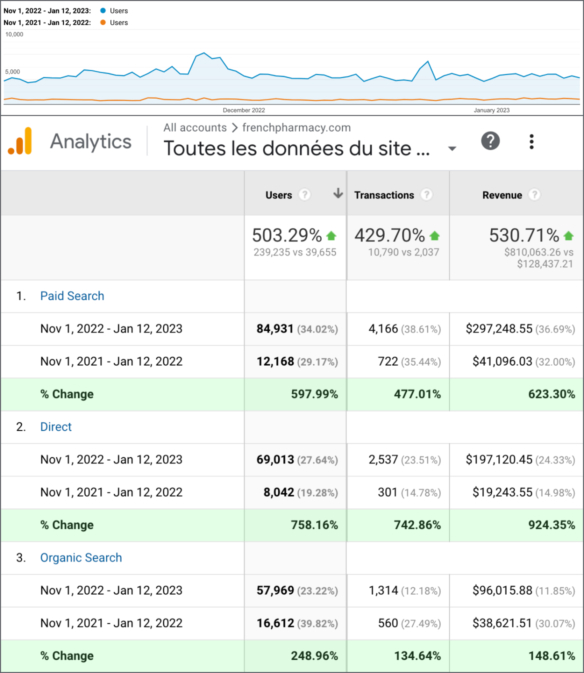
Lastly, do not set and forget. Digital marketing requires ongoing attention. Algorithms change, competitors emerge, and customer behaviors shift. The best approach is to review your analytics monthly, run A/B tests regularly, and adjust your content marketing and ad copy based on what the data says. That iterative process is what separates average results from consistent growth.
Final Thoughts
Choosing the right digital marketing services is not about finding a one-size-fits-all package. It is about finding a partner who listens, who understands your specific market, and who can build a system that combines SEO, PPC, social media marketing, email marketing, and conversion rate optimization into a unified plan. The right provider will use tools like Google Analytics, heatmaps, and A/B testing to keep improving your performance over time.
If you are currently trying to manage all of this alone, I respect the effort. But I have also seen how much faster growth comes when you bring in focused expertise. The investment in professional help often pays for itself within months through better ad targeting, higher conversion rates, and more efficient use of your budget. Take the time to interview a few providers, ask about their process, and look for a track record of real results. Your business deserves a strategy that works as hard as you do.